

When Can I Resume Normal Activities After Laparoscopy?
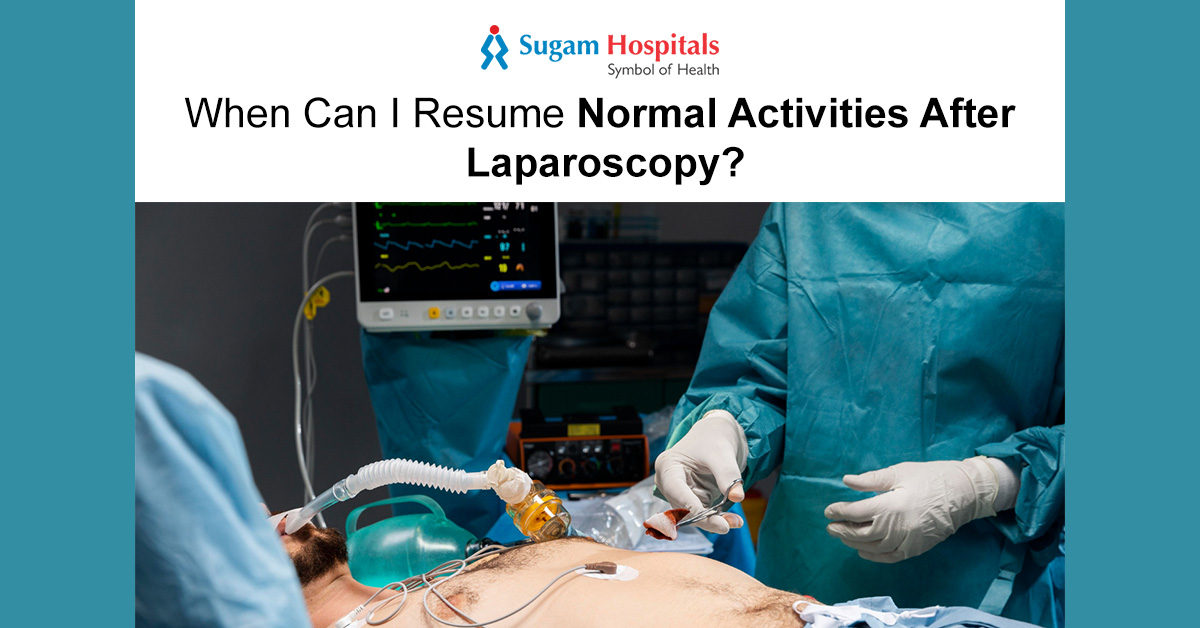
When Can I Resume Normal Activities After Laparoscopy?
February 5, 2026 by adminLaparoscopic procedures have changed modern surgery by lessening the physical trauma and enabling a speedy recovery. Those opting for laparoscopic surgery in Chennai generally enjoy the advantages of smaller incisions, less blood loss, and reduced duration of hospital stay. But a quicker recovery is not the same as a recovery that is immediate. Wound healing after laparoscopy is a biological process, and it takes time for each individual. It is very important to be sure of the time when one can safely go back to the routine without the risk of getting a relapse or putting pressure on the inside of the body.
Here in this blog, we will take a closer look at the recovery in detail and the ways of getting back to regular life with a positive mindset.
How the Body Heals After Laparoscopy
Although laparoscopy is done through small incisions on the outside of the body, internal tissues still need a healing period. The body concentrates initially on lessening the inflammation and repairing the tissue it is working with at the operation site. The external wounds may look as if they are healed within a few days, however, the internal recovery is still going on indifferently for weeks.
Healing speed is influenced by numerous factors such as a person’s age, general health, nutrition, the nature of the surgery, and whether or not the person follows the doctor’s postoperative instructions. That is the reason why recovery periods have to be kept as a personal matter and not be compared with others.
The First Few Days After Surgery
The very first recovery stage generally spans about two to three days. It is a time when rest and very light activity help to heal the body. Patients are advised to take a few steps to enhance their blood flow and make their joints less stiff, even if they have just been discharged from the hospital.
Frequently, the following sensations can be present at this time:
- Light abdominal pain or feeling of tightness
- Shoulder pain because of the gas used during surgery
- Uncomfortable feeling due to temporary abdominal distension, nausea, or weakness
Usually, these signs gradually become less as the body gets used to the situation and the gas is taken up in the normal way.
Returning to Everyday Activities
Home and Personal Care
Generally, patients are allowed to restart minor everyday activities after a couple of days. Basic functions like taking a shower, walking around the house, and making light meals are normally considered safe. Still, it is advised not to perform any action that raises the pressure in the abdomen in the first period of time.
Such activities are:
- Carrying grocery bags or water cans
- Jerky or abrupt turning of the body
- Being in a standing position for a long time without a break
If a patient regulates their walking and resting periods, the recovery will be less troublesome and more efficient.
Work and Professional Commitments
Returning to work is mostly a question of the type of work. Those who work at a desk may be able to return to their activities after one or two weeks, while those who have physically demanding jobs will probably have to wait for a longer period of time. Quick resumption of work can lead to the occurrence of fatigue, even if pain is barely felt. It would be best if employers were informed about temporary limitations during recovery.
Exercise and Physical Activity
Physical movement is necessary for the prevention of body stiffening and blood clots, however, the matter of intensity is important. Early walking is allowed, while structured exercise should be slowly introduced.
Most surgeons advise that one should postpone:
- Core strengthening exercises
- Weight lifting or resistance training
- Running, jumping, or doing high impact workouts
Gently stretching and breathing exercises may be allowed earlier if a person is under the supervision of a guide.
Driving, Travel, and Daily Independence
Usually, driving may be continued again after pain has been managed and pain medication is no longer needed. Your reaction time, sitting comfort, and the ability to turn safely should be the factors which decide this rather than a certain number of days. A long trip may also need you to drink more water, take some movement breaks and get medical advice in advance.
When to Get Medical Help
It is important to remember that a strong safety profile is associated with laparoscopy and therefore, unexpected symptoms should not be taken lightly. In situations where pain is persistent along with fever and discharge from the wound, redness, or even an increase in abdominal swelling, a timely and thorough evaluation is required. Getting medical help at an early stage is the main factor in preventing small issues from becoming severe complications.
At Sugam Hospital, we deeply empathize with the notion that recuperation after laparoscopy is a process that extends beyond the mere healing of wounds, but rather it involves the regaining of one’s comfort, confidence, and the ability to perform daily tasks in a gradual and appropriate manner. Our surgeons offer clear postoperative instructions and close supervision, as well as individualized recovery plans so that patients are fully aware of the exact time and manner in which they can safely return to their normal activities. We employ advanced techniques along with patient centered care to facilitate quicker healing and ensure positive health outcomes in the long run.
If you are going to have a minimally invasive surgery or are in the process of recovery, selecting the best laparoscopy hospital in Chennai will be a significant factor not only for your recovery but also for your overall health.