

How Blood Banks Support Mothers During Childbirth
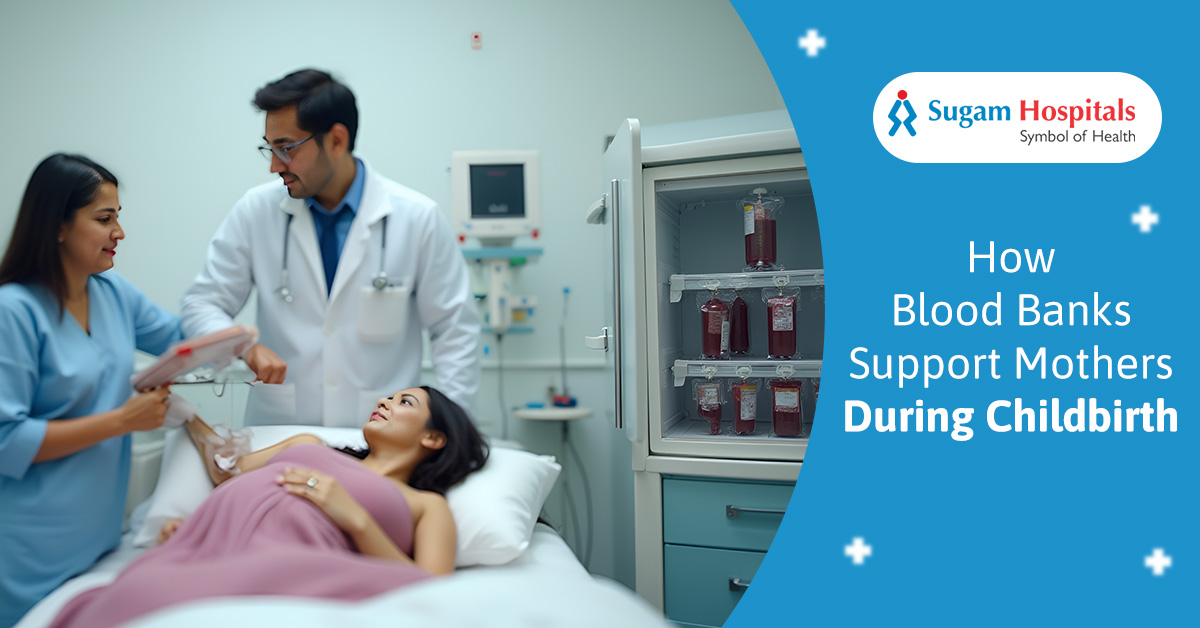
How Blood Banks Support Mothers During Childbirth
February 17, 2026 by adminGiving birth is meant to be a happy time full of anticipation. However, at the same time, it may come with unanticipated medical issues. As is the case whenever there are major physiological transitions happening within the body of a woman during her nine-month pregnancy period, blood loss either through childbirth or as a result of surgery, can quickly become life-threatening. Because of this, the care of women during their pregnancies goes beyond the simple tasks associated with delivering babies and performing corrective surgeries on women who have just given birth. It is for this reason and many others that every well-practiced gynecologist in Chennai stresses just how vital an adequate blood supply can be to both mothers and their newborns.
Blood banks are not just a place to get blood in an emergency, rather, they provide an added layer of security within the realm of maternity care.
Why Blood Support Is Crucial During Delivery
Blood loss is normal even with uncomplicated deliveries. But there are many conditions that can increase the risk. Some of these are pregnancy-related anemia, placenta complications, longer than usual labour, or an emergency surgical intervention.
Blood banks offer help in managing situations where:
- Vaginal or cesarean delivery hemorrhage.
- Pre- or post-delivery low hemoglobin levels.
- Emergency needs due to postpartum bleeding.
The need for surgical blood products in high-risk pregnancies.
If blood banks did not have access to enough screened and compatible units, the situations above would worsen rapidly. Blood banks are able to provide continued support through the most critical times with equipment and trained staff.
Role of Blood Banks in High-Risk Pregnancies
All high-risk pregnancies should have thorough planning completed well in advance. Depending on a pregnant woman’s unique circumstances (like gestational hypertension, placenta previa, multiple gestations, previous cesarean deliveries), there may be an increased risk of blood loss at birth. Blood banks may assist maternity care teams by:
- Pre-booking units of blood according to the expectant mother’s blood type.
- Maintaining the availability of blood units during both labor and cesarean delivery.
- Working closely with all surgical teams, including obstetricians and anaesthethists, to provide rapid access to a supply of blood or blood components.
- Minimising delays due to the emergency nature of decision-making for mothers experiencing high-risk pregnancies.
By being prepared, maternity care providers can dedicate time and energy to clinical aspects of patient care rather than logistic aspects associated with the delivery of mothers experiencing a high-risk pregnancy.
Blood Safety and Screening: Protecting Mothers and Newborns
The blood banks of today, to safely collect blood, to follow guidelines prior to reserving blood, and to prevent reaction or infection in the blood, must be highly regimented. As with birth, a blood transfusion may create greater risk to the mother and the newborn.
Safe practices concerning blood collection and transfusion include:
- Comprehensive testing of blood units for the transmission of transfusion-associated infections.
- Appropriate temperature-controlled storage of the blood unit.
- Blood units must be correctly matched to the recipient’s specific blood type to prevent transfusion reactions and/or incompatibility.
- Ongoing quality assurance/procedure checks and monitoring of transfusion reactions and blood donations.
With the above safety measures in place, mothers will have less chance of developing complications from a transfusion and will recover faster from childbirth.
Supporting Recovery After Childbirth
Post-delivery support with blood continues from the time of delivery through at least one year postpartum, because many women may still require additional support after going home due to either the effects of the anemia or surgical blood loss that they experienced while giving birth. The use of blood banks assists in restoring hemoglobin levels, allowing for increased levels of energy and aiding the healing process of the mother’s body after childbirth.
Having access to adequate amounts of blood will:
- Decrease fatigue and dizziness after delivery
- Assist in speeding recovery after cesarean section
- Reduce probability of postpartum complications
- Assist mothers in being able to care for their infants sooner.
Continuity of care also contributes to the overall physical and emotional health and wellbeing of both the mother and baby.
The Connection Between Blood Banks and Newborn Care
Maternity hospitals that have a strong pediatrics department as well combine their maternity and pediatrics services to provide a comprehensive safety net for all newborns. Children in these hospitals can go straight to pediatric care if the delivery was high risk or preterm.
While blood banks are often overlooked during childbirth, they play a very important role in the health and wellness of mothers and newborns. Blood banks provide emergency blood for mothers during delivery, blood for mothers in recovery and blood for mothers that require long term support for their postpartum physical health. At Sugam Hospital, maternity services include access to blood banking and skilled obstetric providers working closely with pediatric teams. Sugam Hospital is known as the best pediatric hospital in Chennai because it offers mothers and newborns the same comprehensive, continuous support that they have received throughout the perinatal continuum of care.