

How High Blood Pressure Increases the Risk of Stroke
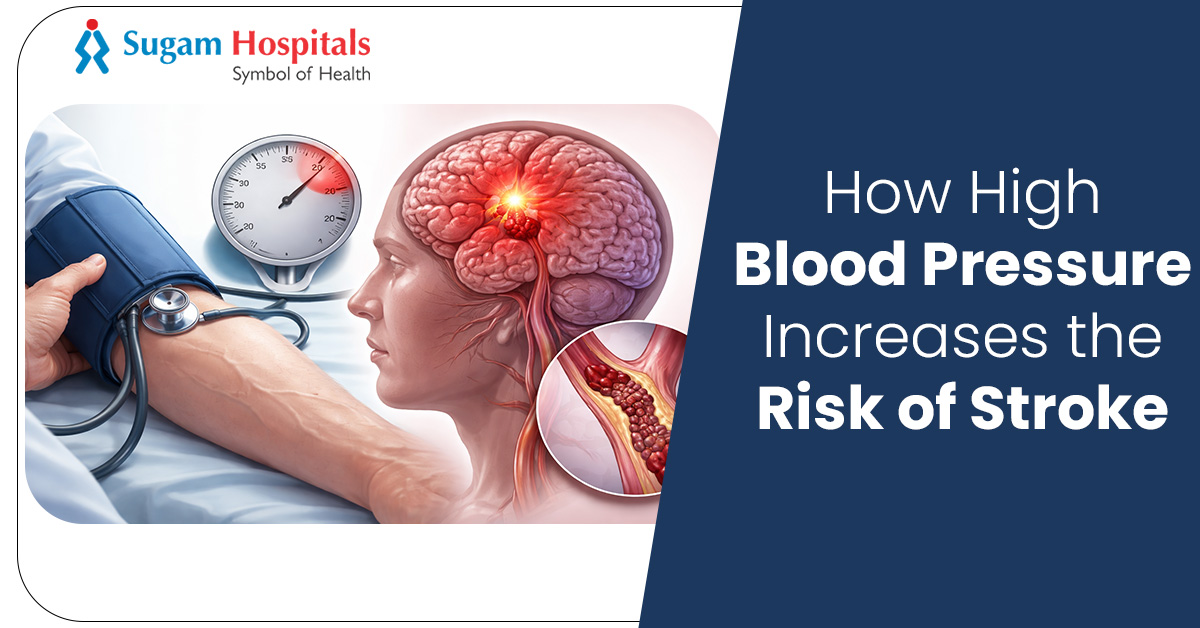
How High Blood Pressure Increases the Risk of Stroke
February 21, 2026 by adminHigh blood pressure, or hypertension, is among the most frequent cardiovascular problems globally, but at the same time, it is one of the least acknowledged. It happens that numerous individuals have high blood pressure, and yet they are not aware that it keeps on damaging their body in a quiet way each day. A stroke is the major outcome of very high blood pressure, which is a sudden and serious condition that results when blood flow to the brain is blocked.
Knowing the sensation of pressure in the arteries and its influence on the brain can be a very different way to rethink prevention, living habits, and care for the future.
What Happens in the Body When Blood Pressure Is High
Blood flows through arteries in a rhythmic manner and with a certain force. If the pressure is always high, the force that was helping becomes the one that damages. Hypertension increases the pressure in the arteries constantly and on their walls; therefore, they become stiff, narrow, or weak with time.
That causes:
- When arteries become hard, less blood is able to reach the brain.
- Although blood vessels become weak, the situation is dangerous because they can burst or leak more easily.
- The buildup of plaques in the arteries causes the formation of blockages that can stop the flow of blood completely.
A stroke is a result of a lack of oxygen and nutrients in brain cells. Damage can become permanent within a matter of minutes, controlling blood pressure should be regarded as very important at every stage of life.
How High Blood Pressure Triggers a Stroke
Hypertension may result in stroke in two major ways:
- Ischemic Stroke:
It is the commonest and occurs when high blood pressure speeds the build-up of plaque and narrowing of arteries. When a clot completely blocks the blood vessel, the brain tissue in the area becomes deprived of oxygen. Among the symptoms that may appear are difficulty in speech, one side of the face drooping, and sudden loss of coordination.
- Hemorrhagic Stroke:
If the vessels are weakened, they may break under increased pressure, and blood will leak into the brain. This type of stroke is generally more serious, as it not only increases brain swelling but also raises the pressure there. Long-term high blood pressure is the main cause of hemorrhagic stroke all over the world.
Both kinds of strokes are in many instances preventable, and prevention is started by being aware of it.
Warning Signs You Should Never Ignore
In most cases, strokes are less than 24 hours serious problem that might not be solved by patients themselves; however, the body sometimes gives signals that something is wrong. If people recognize these signals, it might simply be their lifesaving.
Be careful of:
- Sudden numbness or weakness in one side of the body
- Hard time speaking or understanding speech
- Seeing something hazy or losing vision in one or both eyes
- Very painful headache, vomiting, and convulsions might be the symptoms of a stroke. So, if the headache is very bad and does not have any known cause, it could be a stroke.
- Knocking, dizziness, and disorientation
Even if the symptoms are no longer there, doctors’ advice is necessary. A short-lived stroke warning is still a serious red flag.
Lowering Blood Pressure Lowers Stroke Risk
Prevention works better than cure. Little, consistent habits go a long way in safeguarding brain and heart functions of old age.
You may start with:
- Cutting down on salt and packaged foods
- Keeping a healthy weight
- Avoiding smoking and drinking alcohol
- Keeping yourself physically fit
- Dealing with stress through relaxation and breathing exercises
- Monitoring your blood pressure regularly, especially after 40 years of age
Behavioural changes are even more effective when they are accompanied by appropriate medical intervention.
Hypertension, or high blood pressure, is a condition that does not produce any symptoms for a long time and is often neglected until a stroke happens. Understanding in detail how high blood pressure quietly causes harm to the blood vessels is a prerequisite for keeping the brain healthy. Regular check-ups, getting the necessary help from a doctor at an early stage, and making changes in the lifestyle at the right time can be very effective in lowering the risk of the condition over a long period of time. Sugam Hospital is the right place for those who need expert cardiac evaluation and stroke risk management. As a reputed cardiology hospital in Chennai, Sugam Hospital is committed to helping patients be on the safer side through guided treatment and continual support.