

Is Sudden Chest Pain at Night an Emergency?
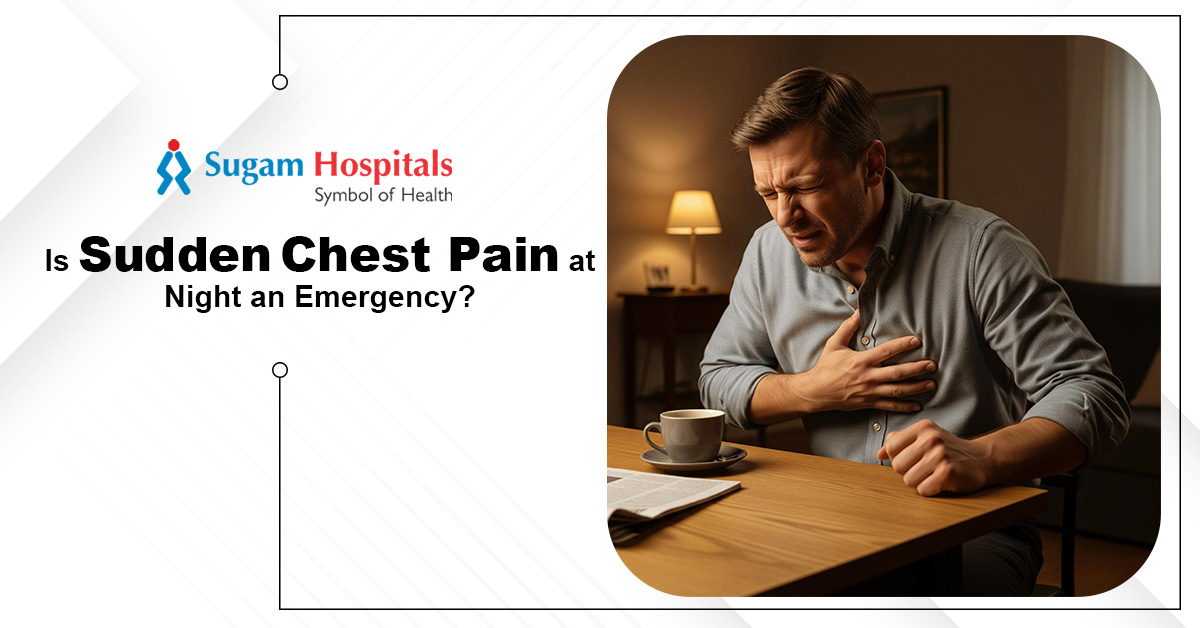
Is Sudden Chest Pain at Night an Emergency?
February 21, 2026 by adminExperiencing sudden chest pain at night is a frightening situation that usually makes people worry about their heart. Although some pain may turn out to be less serious, there is always a possibility that it is caused by a life-threatening condition, so you must take it to the hospital without delay. You must take any kind of chest pain, particularly at night, very seriously.
We are going to explain in this blog the reasons behind chest pain during the night, the time it constitutes a call for help, and what measures are necessary to protect your heart.
Common Causes of Nightime Chest Pain
Chest pain at night may result from different causes, not necessarily from the heart. Knowing the distinctions is very important:
- Gastroesophageal Reflux Disease (GERD): Reflux of acid may lead to a burning feeling in the chest which is commonly made worse by lying down.
- Musculoskeletal Pain: A muscle strain or the presence of some kind of inflammation in the chest wall may cause pain similar to that of the heart.
- Anxiety or Panic Attacks: Stress and anxiety are capable of causing sudden episodes of chest tightness or discomfort, among other symptoms, which may confuse the patient.
- Heart-Related Issues: The symptoms of these diseases such as angina or heart attack may be the ones that manifest most frequently comprise of being pressed, heaviness, or a sharp/stabbing sensation in the chest.
When Nightime Chest Pain Becomes an Emergency
Although some chest pains may not be serious, a few symptoms that accompany them could point to a health crisis. Therefore, if you encounter any of the following, do not hesitate to call for help straight away:
- In case the pain is strong and the feeling of pressing or crushing of the chest is present.
- If the pain extends to one of your arms, jaw, neck, or back.
- If you have trouble breathing, feel dizzy, or faint.
- If you feel sick or if it is very hot and you start to sweat excessively.
- If the symptoms last for more than a few minutes or come repeatedly.
Such symptoms can be evidence of a heart attack or other serious cardiac events. The right action taken on time can save a life.
Risk Factors That Increase Nighttime Heart Events
Certain health problems and lifestyle choices can put a person in a position where they may experience heart-related pain at night:
- High Blood Pressure: A condition in which the heart and blood vessels become overworked due to high pressure in the arteries; it makes the occurrence of nocturnal symptoms more probable
- High Cholesterol: One of the major causes of plaque formation and narrowing of arteries which leads to less blood flow
- Diabetes: Raises the chance of developing silent heart disease
- Smoking and Alcohol Use: Either one alone is a potential source of heart problems; together, they not only can initiate the issues but also aggravate the situation making it difficult to breathe at night
- Sedentary Lifestyle: The absence of physical activity can gradually lead to a decline in the body’s cardiovascular system
Knowing your risk factors is a great step towards the prevention and recognize the early signs of a possible emergency.
Tips for Managing and Preventing Nighttime Chest Pain
You may want to consider some proactive measures to lessen the occurrence of chest pain at night:
- Eat a diet that promotes heart health and is full of fruits, vegetables, and lean proteins
- Do not consume more than a certain amount of caffeine and do not eat too much before going to bed in order to prevent reflux and the resulting discomfort
- Do some form of cardiovascular exercise on a regular basis
- Try to control your stress through some relaxation methods like meditation or deep breathing
Have regular cardiac examinations if you are at risk or have a family history of cardiac problems
The Role of Medical Evaluation
A correct assessment should be carried out anyway if the pain in the chest is determined to be non-cardiac. Physicians ascertain the nature of chest pain by means of diagnostic tests like ECG, echocardiography, or blood tests, whether it is heart-related or non-heart-related. The very first examination makes it possible to discover and then treat any hidden cause without delay.
It is better not to sleep with a pain in the chest at night. If you have abrupt or intense chest pain, particularly with the appearance of the previously mentioned symptoms, you must urgently see a doctor. Sugam Hospital, which is considered the best cardiology hospital in Chennai, provides a specialist check-up, cutting-edge diagnostics, and timely therapeutic measures to control a cardiac crisis effectively. Take care of your heart first, and at times when you think it is absolutely necessary, go to the doctor.