

What Is Polycystic Kidney Disease and How Does It Affect Families?
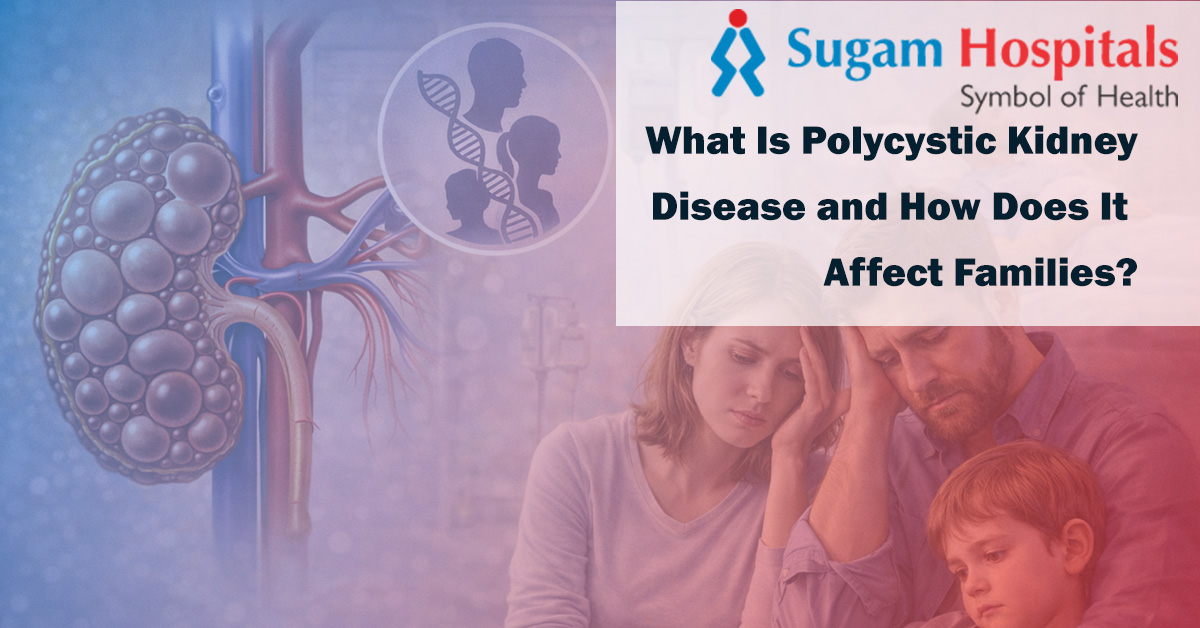
What Is Polycystic Kidney Disease and How Does It Affect Families?
February 7, 2026 by adminPolycystic Kidney Disease (PKD) is a hereditary disorder that causes numerous cysts to form in the kidneys as they gradually become larger and affect the function of the kidneys. PKD is hereditary and develops gradually over time; however, it generally begins to develop without symptoms for several years. Early evaluation of PKD by the best Nephrologist in Chennai will allow families to learn about the disease, monitor for changes as they occur, provide adequate treatment prior to any complications occurring.
Understanding Polycystic Kidney Disease
Polycystic kidney disease may be of two types: autosomal dominant (ADPKD) and autosomal recessive (ARPKD). ADPKD is the more common type and usually presents in adults, whereas ARPKD can present throughout childhood. The presence of cysts enlarges the kidneys, compresses the surrounding tissue, and alters normal kidney filtration processes. In time, these effects may lead to hypertension, kidney pain, urinary signs and symptoms, and ultimately lead to decreased kidney function.
This disorder is often an inherited condition, which is important to inform families about. When one parent has the gene for ADPKD, children are at a much higher risk of inheriting this disorder. As a result, any discussion regarding family health planning and genetic risks are part of routine planning for members of families with ADPKD due to the significant heritable nature of this disease.
Signs and Symptoms to Watch
Symptoms do not occur in a uniform manner for all patients. Some do not have any symptoms for many years while other patients notice early symptoms. Common symptoms of kidney disease include:
- Persistent back or flank pain
- Frequent urination and/or blood in the urine
- High blood pressure that is difficult to manage
- Increasing abdominal circumference due to enlargement of the kidneys
Symptoms such as fatigue, swelling of the legs and/or decreased appetite may indicate deterioration of kidney function and warrant immediate medical assessment and treatment.
How PKD Affects Daily Life and Families
A diagnosis of PKD is not only a consideration for the individual diagnosed. It impacts the individual’s entire family, including possible future generations who may inherit the condition, as well as the individual themselves as they consider child-bearing, lifestyle choices, and long-term health decisions. Regular medical testing and appointments, and adjusting one’s diet, can create emotional stress for a family member diagnosed with PKD as well as for the family itself.
Families may also need to change their way of living by implementing new routines to monitor blood pressure, stay hydrated, follow the recommendations of their physician, and plan for follow-up visits with their physician. Having open communication amongst all members of the family is advantageous to ease tension and alleviate stress related to the unknowns of Paul Kline Disease.
When Complications Develop
Once cysts have reached a certain size, they may cause many complications that require continuous medical monitoring and service. During the early stage of PKD it’s critical to consult a specialist like your Best Kidney Doctor regarding concerns regarding your health, including kidney infections or kidney stones or gradual kidney failure; if these types of complications are addressed quickly, they can usually be managed effectively, however, the longer you wait to identify them, the greater the danger of other serious health conditions (such as diabetes and cardiovascular disease) complicating the situation.
Treatment and Management Options
Management of PKD (polycystic kidney disease), while highly beneficial if initiated at an early age, does not currently have a definitive long-term solution (cure). The main focuses of management are to slow down the rate of progression, preserve kidney function, and promote the best quality of life possible for each individual. Management will typically involve the following:
- Controlling blood pressure using drugs and lifestyle modifications
- Maintaining adequate hydration.
- Limiting alcohol consumption.
- Regularly evaluating the size and function of kidneys by carrying out routine laboratory tests and image scans
It is also important for patients with PKD (Polycystic Kidney Disease) to consider dietary recommendations as part of their overall plan. Reducing the amount of sodium consumed, managing body weight, and staying physically active are all protective measures for maintaining good kidney health; however, in some instances, patients may require renal replacement therapy (dialysis and/or transplant), which will typically be discussed only after they have reached an advanced stage of the disease.
Emotional Well-Being and Support
Emotional adaptations are a significant component of living with PKD. Patients may have feelings of uncertainty regarding the future; or they may feel frustrated about having to be monitored long-term. Working with a supportive family, participating in counseling as needed, and communicating openly with health care providers can greatly improve these feelings. The knowledge and understanding of what they can expect helps to alleviate anxiety and clarify the practical aspects of their futures.
PKD is a lifelong disease; however, with an early diagnosis and a structured method of treatment, the difference can be significant. When families are aware of how PKD affects their family member(s) living with the disease, they can be proactive, offer emotional support to each other, and receive timely treatment for any complications that may arise from living with PKD.
The best urology doctor in Chennai at Sugam Hospital provides patients with the tools they need to manage their PKD disease and maintain healthy kidneys for years to come through education and compassion.