

Why Painful Periods Aren’t Always Normal
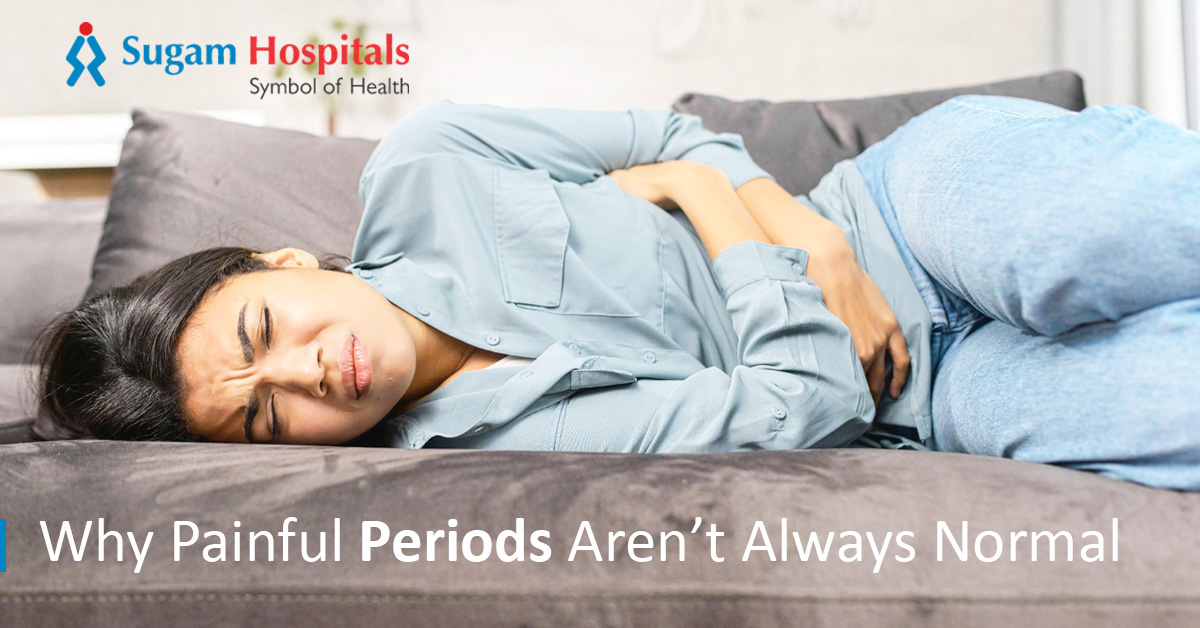
Why Painful Periods Aren’t Always Normal
February 18, 2026 by adminQuite often, painful periods are just called “normal” but a health-related problem that manifests through severe or repeated menstrual pain may be the cause of such a situation. In fact, these conditions that include endometriosis, uterine fibroids, adenomyosis, infections, or hormonal imbalances may be the reason for giving rise to scenarios of severe menstrual cramps, heavy bleeding and even discomfort becoming a hindrance to your daily life.
Knowing the moments in which the pain caused by the menstrual period is beyond what is normal allows you to promptly request help, obtain an accurate diagnosis, and safeguard your reproductive health over the long run by receiving the proper guidance from a qualified specialist.
Primary vs Secondary Dysmenorrhea
Generally, menstrual pain is differentiated between two types:
Primary dysmenorrhea is the most common type of pain, which usually comes back and is due to hormonal changes. The pain normally starts just before the period and subsides within two to three days.
On the other hand, secondary dysmenorrhea is associated with diseases of the reproductive organs. The pain can gradually get worse, be longer in duration, or occur in different parts of the cycle. It is unlike primary dysmenorrhea in that it is not a normal situation and thus needs a doctor’s examination.
When Period Pain Signals a Deeper Issue
Certain health conditions may result in extremely painful or abnormal menstrual pains. Some of the frequently common causes are:
Endometriosis: Immunological reaction, inflammation, and scarring result when tissues that resemble the endometrium are found outside the uterus. A large number of women suffering from endometriosis report very strong uterine spasms, pain in the pelvis between the menstrual cycle, and pain during sexual intercourse. Diagnosis at the earliest stage is able to inhibit fertility problems as complications.
Adenomyosis: The uterine lining is the one that grows into the uterine muscle in this situation. It is mostly associated with heavy bleeding, enlarged uterus, and severing of the uterine cramping that gradually becomes worse.
Fibroids: They are noncancerous growths which can be of any size and, in general, cause heavy bleeding, a feeling of pressure in the pelvis, and painful menstrual cramps. Some women may experience a sharp pain, particularly if the fibroid is spinning or if it is rapidly growing and thus, outgrowing its blood supply.
Pelvic Inflammatory Disease (PID): PID is an infection of the female reproductive organs that can result in a constant pain in the pelvis, high temperature, discharge that does not follow the normal pattern, and very painful periods. If not treated in time, PID may cause infertility.
Ovarian Cysts: Cysts are fluid-filled sacs that develop on the ovaries and may bring about sudden pain or pain that occurs in a certain phase of a woman’s menstrual cycle. The pain in case of a cyst rupture or torsion can be so severe that a hospital visit is necessary.
Signs That Painful Periods Are Not Normal
While a certain amount of discomfort may be normal from time to time, the following indications point to a necessity for a professional evaluation:
- Pain that disrupts school, work, or daily activities
- Extreme cramping that causes one to stop an activity and take medication frequently is generally not normal. Gradually worsening pain
- If the symptoms get stronger month after month, most probably there is a problem under the surface.
- Discomfort beyond your menstrual days
- Continuous pelvic pain before or after periods needs a doctor’s consultation.
- Heavy bleeding with clots
- Very heavy bleeding may be a sign of uterine fibroids, adenomyosis, or hormonal imbalance.
- Pain accompanied by vomiting, dizziness, and tiredness
- These symptoms, together with severe cramps, may indicate secondary causes.
A gynecologist might suggest blood work, a pelvic exam, an ultrasound, or advanced imaging depending on the symptoms. The treatment can be a medication or hormonal therapy or, if necessary, a minimally invasive procedure to the area.
Painful menstrual cycles should not be overlooked or simply tolerated. In case your abdominal pains are extremely painful, irregular and/or continuous bleeding without stopping, the safest way to find the cause and get the right treatment is definitely by going to a doctor. Sugam Hospital is your place to be for relief and support care when you want to know and manage your symptoms. A consultation with the best Gynecologist Specialist In Chennai will definitely be of great help to you in getting a precise diagnosis and a straightforward treatment plan when you need reliable advice on menstrual problems.