

What Is Glomerulonephritis and Why Early Treatment Matters?
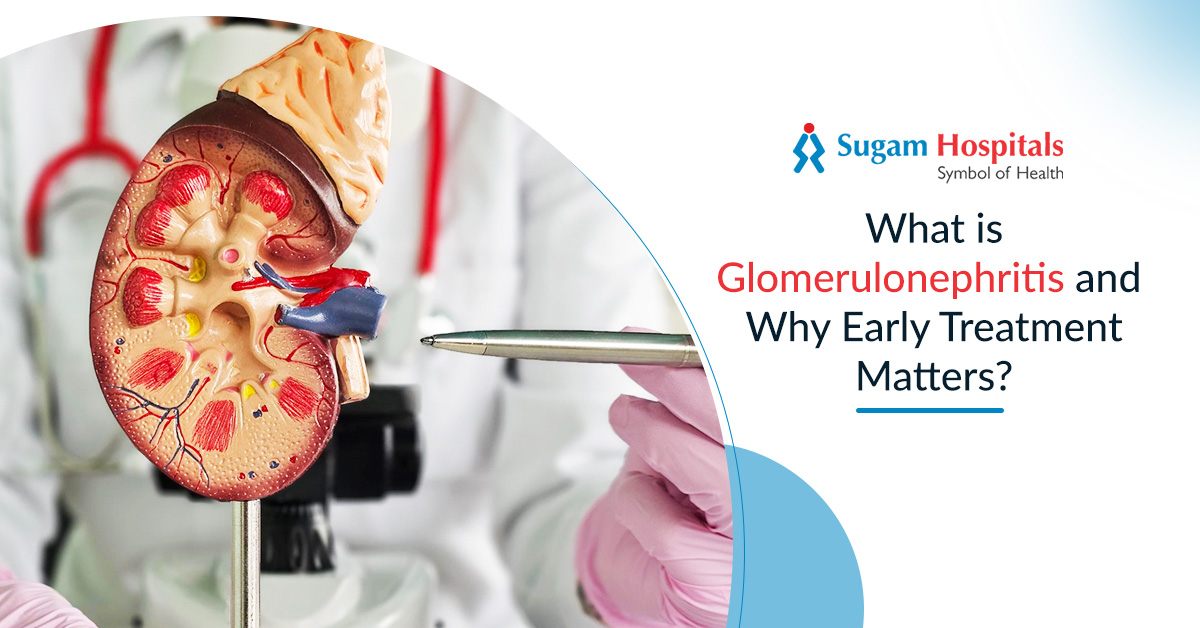
What Is Glomerulonephritis and Why Early Treatment Matters?
February 6, 2026 by adminThe kidney filter waste and control the fluid in our body. However, early damages are not easily detected. Glomerulonephritis is an illness that the small filters in the kidneys get inflamed. As a result, the whole kidney function is gradually affected. In the words of the best nephrologist in Chennai, we should realize that early detection is very important because there are very few cases where kidney damage can be reversed once it is advanced.
Glomerulonephritis targets the glomeruli. Glomeruli are the tiny filters that clean our blood. When there is inflammation, this process is interrupted and thus harmful substances are kept in the blood while essential proteins leak through urine. As a result, the body is under continuous pressure, and different organs may be affected.
Types of Glomerulonephritis and How They Develop
Glomerulonephritis is a term for several different conditions and is categorized by its onset speed and aetiology.
- Acute: develops suddenly following an infectious/inflammatory trigger (for example, strep throat, viral infection).
- Chronic: gradually develops after prolonged kidney stress or as a result of autoimmune disorders like diabetes.
- Secondary: results from a systemic illness like lupus or vasculitis.
Assessment of the type of glomerulonephritis leads to treatment decisions and nephrology follow-up frequency.
Early Symptoms That Often Go Unnoticed
In the initial stages of a medical issue, symptoms tend to be mild, thus leading many individuals to minimize their importance. However, if individuals take the time to monitor these early symptoms, they can prevent permanent damage from taking place by intervening as quickly as possible. A few examples of warning signals include the following:
Swelling of the face, especially around the eyes, feet, or ankles from accumulation of fluid (edema)
- The appearance of protein in urine (proteinuria) producing foamy urine
- Dark brown urine (tea-colored) due to blood in the urine
- Increased fatigue or decreased energy
If you find any single one of these symptoms occurring regularly, then you should seek medical advice.
Why Early Diagnosis Protects Long-Term Kidney Health
Prompt diagnosis allows inflammation to be controlled even before scarring happens. Testing is very crucial for doctors to confirm and monitor the disease.
Doctors depend on:
- Urine tests to find protein and blood abnormalities,
- Blood tests to check for kidney filtration rate,
- Imaging to examine the size and structure of the kidneys,
Biopsy is only in cases where the exact type needs to be confirmed advanced diagnostic labs in Chennai, offering support, help in giving the most accurate, fastest, and clearest results at this very important stage.
Treatment Strategies and Daily Management
Treatment of inflammation is designed according to its cause and intensity. Medication can only do so much; your daily habits greatly determine the results.
Management might consist of:
- Blood pressure control to lessen the work of the kidney
- Meds that help against inflammation or modulate immune response
- Changes in eating habits to reduce salt and overconsumption of protein
- Consistent follow-ups to monitor the response to therapy
If the problem is dealt with quickly enough, most patients can get better and keep their kidney function the same for a long time.
Risks of Delayed or Missed Treatment
The inflammation of kidney tissue on a continuous basis results in irreversible injury to kidney tissue if not treated promptly. Some complications related to this condition include:
- Chronic Kidney Disease
- Prolonged High Blood Pressure
- Increased Fluid Accumulation in the Heart and Lungs
- Development of End-Stage Kidney Disease, requiring Dialysis or Transplantation
Taking action at an early stage greatly reduces the above-mentioned risk factors.
Importance of Continuous Monitoring
Long-term monitoring of kidney function and testing for glomerulonephritis will allow for the detection of shifts in kidney function due to glomerulonephritis. Long-term follow-up of kidney function will allow for identification of issues with the patient’s kidney health, which can lead to long-term management and support of kidney health.
Glomerulonephritis requires recognition and immediate evaluation by your healthcare provider to determine the most appropriate treatment options. As such, an early diagnosis will allow you to take advantage of all options available for successful treatment of glomerulonephritis, which can aid in prolonging the life of the patient’s kidneys.
At Sugam Hospital, the management of patients with glomerulonephritis is done in a coordinated manner by integrating the expertise of several specialists, diagnostic processes to assess kidney function, and long-term follow-up care. In addition, with access to advanced kidney evaluations and reliable diagnostic labs in Chennai, the patient has access to the most comprehensive and timely treatment for their glomerulonephritis.