

How Advanced Laparoscopic Techniques Support Safer Surgical Results
How Advanced Laparoscopic Techniques Support Safer Surgical Results
March 18, 2026 by adminWhen someone hears the word “surgery,” the first reaction is rarely calm. It’s worry about pain, about recovery time, about things going wrong. That reaction is understandable. But surgical care has moved in a direction that addresses many of those fears directly. Minimally invasive techniques have changed what surgery looks and feels like for the patient. If you’re weighing your options, finding the best laparoscopy hospital in Chennai is one of the most important decisions you can make before stepping into an operating room.
What Laparoscopy Actually Is And What It Isn’t
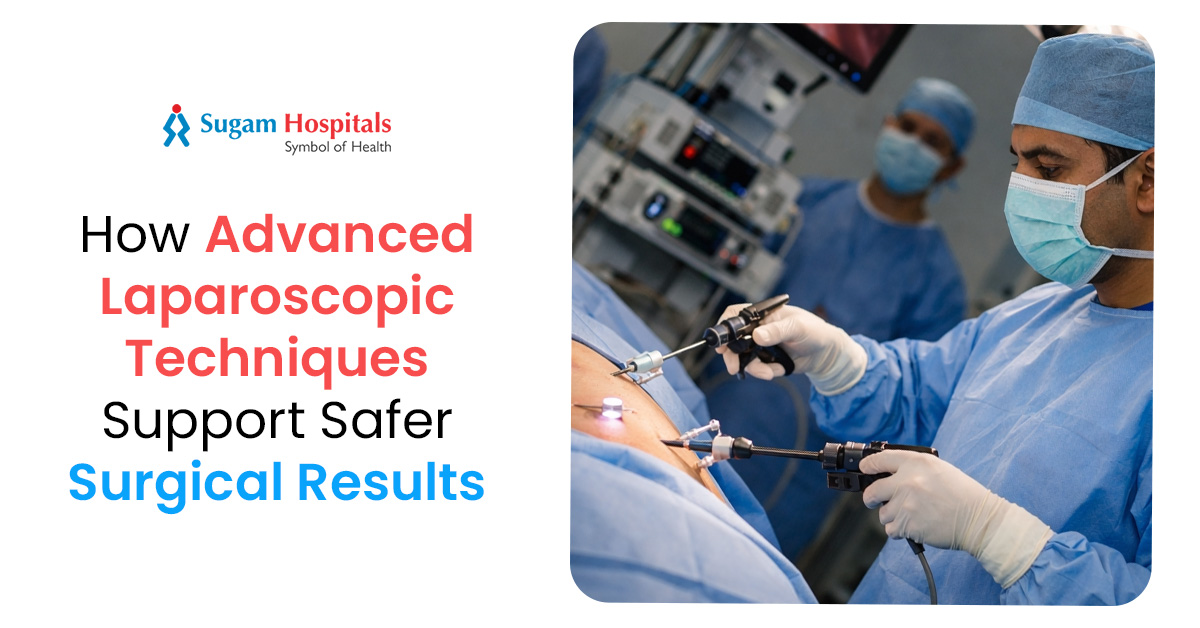
There’s a common misconception that smaller incisions mean a simpler or less thorough procedure. That’s not accurate. Laparoscopy uses a thin camera called a laparoscope, inserted through incisions typically between 0.5 and 1.5 cm, to give the surgeon a magnified, real-time view of internal structures on a monitor. In many cases, that view is sharper than what open surgery provides.
The surgeon operates through additional small ports using precision instruments. The abdominal cavity is gently expanded using carbon dioxide gas, creating the working space needed. Once the procedure is complete, the gas is released, and the body’s wall remains largely undisturbed.
How Technology Has Raised the Bar
This is where things have genuinely shifted in recent years. The tools available to laparoscopic surgeons today are meaningfully different from what existed even ten years ago.
- 4K high-definition cameras allow surgeons to distinguish between nerves, blood vessels, and tissue layers with a level of clarity that older systems couldn’t deliver.
- Robotic-assisted platforms: reduce hand tremor and extend the range of motion beyond what the human wrist naturally allows critical in tight anatomical spaces.
- Haptic-feedback instruments: give surgeons a better sense of tissue resistance, reducing the risk of accidental damage during dissection.
These aren’t upgrades for their own sake. Each one addresses a specific limitation of earlier techniques and directly reduces operative risk.
Why Patient Outcomes Are Better
The body responds very differently to a 1 cm incision than to a 15 cm one. Less disruption at the tissue level means less inflammation, lower infection risk at the wound site, and reduced blood loss during the procedure. These aren’t minor differences, they compound into a noticeably different recovery experience.
Patients often notice this most clearly in the days following surgery. Many are mobile within 24 hours. Hospital stays that once stretched across a week are frequently reduced to one or two days. Return to normal activity happens in weeks rather than months.
There’s also the question of pain management. Smaller incisions require significantly less post-operative analgesia. That reduces reliance on opioids during recovery something with both clinical and practical value for the patient.
Laparoscopy in Urology: Why It Changes Things
Urological conditions have historically meant some of the more demanding surgeries kidney tumors, ureteral repairs, prostate procedures, adrenal abnormalities. Open surgery in this region carries real risks given how closely urological structures sit alongside major vessels and nerves.
Laparoscopic and robotic urological procedures have rewritten that picture. Nephrectomies, pyeloplasties, and radical prostatectomies are now routinely completed through small ports, with outcomes that consistently match or surpass open surgery in terms of:
- Cancer margin control
- Preservation of surrounding nerve and tissue function
- Post-operative complication rates
- Time to full recovery
Consulting a top urologist in Chennai who operates within a facility built for advanced laparoscopy means you’re getting both the surgical expertise and the infrastructure to handle complexity safely.
What to Actually Ask Before You Commit to a Facility
Surgical volume matters more than most patients realize. A surgeon who performs a procedure regularly develops the kind of instinctive spatial awareness that textbooks can’t teach. Beyond the surgeon, look at the full picture anaesthesiology experience with laparoscopic cases, nursing support during recovery, and the quality of post-operative monitoring all shape how well a patient does.
Equipment age is worth asking about too. Older imaging systems and limited instrument options can quietly undercut even a skilled surgeon’s work.
The Direction Surgery Is Moving
More patients in Chennai are now choosing minimally invasive approaches for procedures they once assumed would require open surgery. The evidence behind this shift is solid lower complication rates, faster recovery, and consistently higher patient satisfaction. Advanced laparoscopy has moved from being a specialty offering to becoming the expected standard in quality surgical care. Understanding what it involves puts patients in a much stronger position to ask the right questions and make decisions they feel confident about.