

When Is a Blood Transfusion Medically Necessary?
When Is a Blood Transfusion Medically Necessary?
March 21, 2026 by adminBlood, the vital fluid of every human anatomy, nourishes our body by carrying oxygen, nutrients, and immune cells to keep us alive. It is the lifeline that keeps every organ alive and prevents us from getting sick. Most of the time, our bodies can make new blood, but sometimes we don’t have enough of it. When that happens, a medical procedure called a blood transfusion can really save a life. Having access to a reliable Blood Bank in Chennai ensures safe and timely support.
Understanding Blood Transfusions
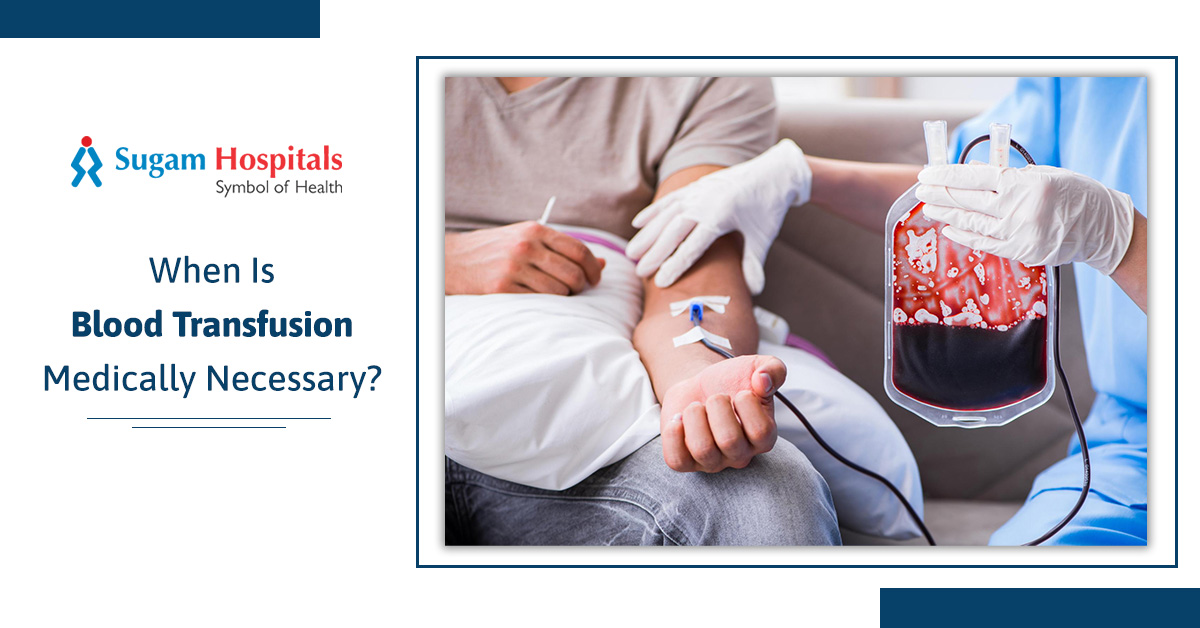
A blood transfusion is when blood or its components are moved from a donor to a patient. It’s significant, and doctors carefully look at a patient’s situation, weighing the pros and cons.
There are different types of blood transfusions:
- Red blood cell transfusion: Helps improve oxygen delivery to body tissues, reducing fatigue and enhancing energy levels.
- Platelet transfusions: Support the blood’s natural clotting process, reducing bleeding.
- Plasma transfusions: Replenish essential proteins to control bleeding and support immune function.
- Cryoprecipitate: Contains a lot of clotting proteins and is used to stop heavy bleeding and help wounds heal.
Situations Where Transfusions Are Common
Severe blood loss often sets off a cascade of problems. Whether from an accident, a serious injury, or a major operation, blood can vanish quickly. When the volume of blood decreases, organs can struggle to function, which might cause shock or even organ failure. To counter this, doctors use transfusions to restore blood volume and get the patient back on track.
Chronic or severe anemia also necessitates transfusions. When hemoglobin drops to a dangerously low point, a red blood cell transfusion can offer relief from the exhausting fatigue, shortness of breath, and dizziness that often accompany it.
Blood transfusions frequently prove essential in chemotherapy, given that both chemotherapy and radiation can compromise the bone marrow, and this damage makes it difficult for the body to generate sufficient red blood cells, platelets, and white blood cells. When these levels become critically low, transfusions are administered to restore equilibrium, mitigate the risk of significant bleeding, and bolster the immune system throughout treatment.
Additional Considerations for Blood Transfusions:
- Preparation and Safety Checks: Before a transfusion, doctors carefully review the patient’s medical history, check for allergies, and look at any medications being taken. Blood type and compatibility tests are done to make sure the procedure is as safe as possible.
- Potential Risks: While transfusions are lifesaving, some people may experience allergic reactions, fever, infections, or iron buildup. Before, during, and after the procedure, doctors and their teams keep a close eye on patients to make sure everything goes well.
- Role of Blood Banks: Blood banks today use advanced techniques to screen and store blood to keep it safe. Matching systems match the blood type accurately and make sure that blood is always ready when it’s needed, whether it’s for surgery, an emergency, or a serious illness.
Blood transfusions are crucial medical procedures. At Sugam Hospitals, we take every step to ensure our patients receive timely and precise care through our state-of-the-art Blood Bank. Beyond blood services, we are also proud to be a trusted cardiology hospital in Chennai, offering comprehensive care across many specialties.
Understanding why and when a transfusion is needed helps patients and their families feel more informed and reassured, highlighting just how vital blood is to life and healing.