

Cancer in Women: Common Types and Prevention
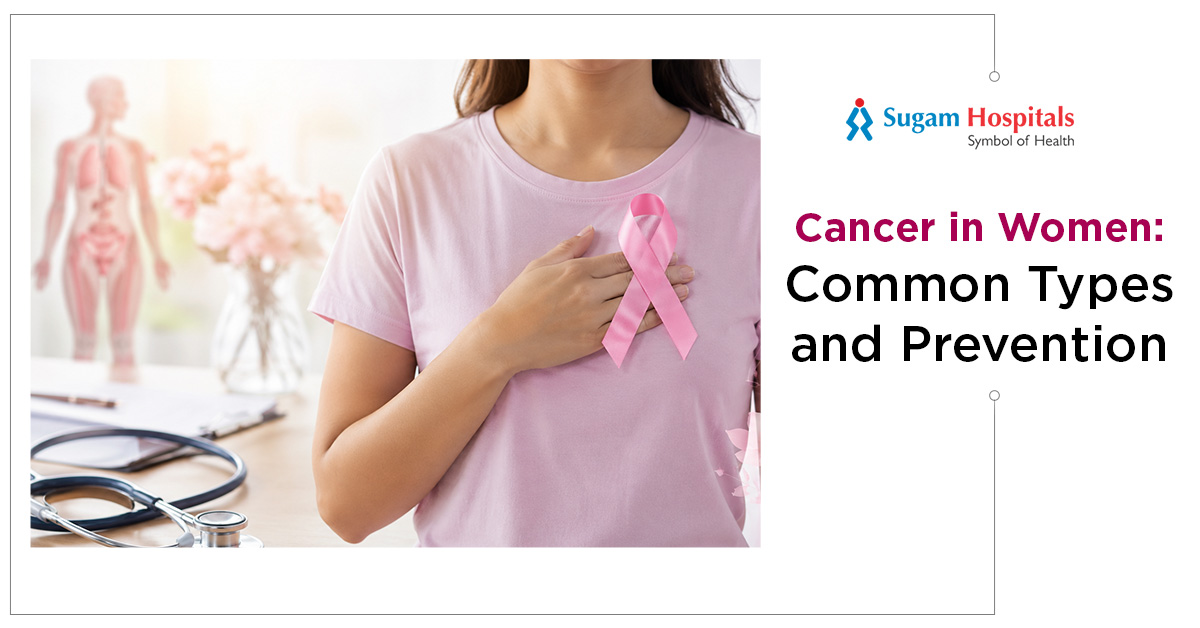
Cancer in Women: Common Types and Prevention
May 15, 2026 by adminCancer does not send a warning. It does not wait for a convenient time and it certainly does not care how busy life gets. For millions of women in India, a diagnosis comes out of nowhere, often during a routine check up or after months of brushing off symptoms that felt too ordinary to worry about. The truth is, cancer among women is rising and the gap between knowing and acting is where lives are lost. Access to quality cancer treatment in Chennai has improved dramatically, but awareness still lags behind. Knowing which cancers affect women most, recognising the early signals and understanding what prevention actually looks like in real life is where meaningful change begins. In this blog, we will take a closer look at the most common cancers in women, the signs that tend to slip under the radar and the steps that genuinely lower the risk.
Why Women Face a Different Kind of Risk
Women’s bodies go through changes that men’s simply do not. Hormonal shifts across decades, from puberty to pregnancy to menopause, create a biological landscape that is entirely unique to women. Estrogen and progesterone, both essential and natural, can become problematic when their levels fluctuate irregularly over long periods. Reproductive history, the age a woman first gets her period, whether she has been pregnant, whether she breastfed, all of these factors quietly shape her cancer risk over time. That does not mean cancer is inevitable. It means context matters, and personalised care is not optional, it is necessary.
Breast Cancer: The One That Gets Talked About Most, for Good Reason
Breast cancer is the most commonly diagnosed cancer in Indian women. It does not discriminate by age, though risk rises noticeably after 40. What makes it different from many other cancers is how well it responds to treatment when found early. A Stage 1 diagnosis carries a vastly different prognosis than a Stage 3 one, and that gap is almost entirely explained by timing.
Many women still hesitate to get checked because they fear the result. That fear is understandable. But catching it early is the single most powerful advantage a woman can have. Watch for these signs:
- A lump or firmness in the breast or near the underarm that was not there before
- Visible changes in the shape or size of the breast
- Nipple discharge outside of breastfeeding
- Skin that looks dimpled, puckered, or inflamed over the breast
Self-examination helps women stay familiar with their own bodies. Annual mammograms matter for women above 40, and earlier if there is a family history. These are not overcautious measures. They are practical ones.
Cervical Cancer: The One That Should Not Happen Anymore
Cervical cancer is almost entirely preventable. That sentence should carry more weight than it does. The primary cause is a persistent infection of Human Papillomavirus, or HPV, which progresses extremely slowly, often over a decade or more before becoming cancerous. That long window is exactly why regular screening is so powerful.
The HPV vaccine is safe and effective, ideally given before age 26, though it offers some benefit up to age 45. Pap smears and HPV tests, starting from age 21, can detect abnormal changes before they become something serious. Women who skip these for years, often because they feel fine, are the ones most likely to face a difficult diagnosis later. Feeling healthy and being healthy are not always the same thing.
Ovarian Cancer: The One That Hides
Ovarian cancer is deceptive, and that is what makes it dangerous. The symptoms do not scream. They whisper. Persistent bloating, a feeling of fullness after eating very little, mild pelvic discomfort, changes in how often you urinate. These are the kinds of complaints that get explained away as stress, a bad diet, or just getting older.
There is no reliable standard screening test for ovarian cancer, which is a gap the medical community continues to work on. Women with a personal or family history of ovarian or breast cancer, those with BRCA gene mutations, or those living with endometriosis carry a higher risk and deserve a more proactive conversation with their doctor, not just a wait-and-see approach.
Uterine Cancer: When the Body Tries to Tell You Something
The endometrium is the inner lining of the uterus, and when its cells grow abnormally, it leads to uterine or endometrial cancer. The body usually does try to communicate. Abnormal bleeding is the most consistent signal, and any vaginal bleeding that occurs after menopause should be evaluated without delay. Not next month. Not after the holidays.
Obesity is a significant risk factor here because excess fat tissue produces estrogen, which can stimulate the endometrial lining over time. PCOS, diabetes, and long-term estrogen therapy without progesterone also raise the risk. Managing weight and keeping hormonal health in check are not just general wellness advice; for women, they carry real cancer prevention value.
Prevention: Real Habits, Not a Perfect Checklist
Prevention does not mean living a completely restricted life. It means making choices that protect the body consistently over time, even in small ways.
- Maintain a body weight that feels sustainable through balanced eating and regular movement
- Limit or eliminate alcohol, and avoid tobacco in any form
- Get vaccinated against HPV if you are within the eligible age range
- Show up for screenings, even when you feel completely fine
- Know your family’s cancer history and bring it up with your doctor proactively
- Breastfeed if your situation allows, as research consistently links it to lower breast cancer risk
Sleep, stress, and physical stillness rarely come up in cancer conversations, but they should. Chronic inflammation linked to poor sleep and high stress creates conditions in the body where abnormal cells face less resistance. These are not dramatic risk factors, but over years, they add up.
Finding the Right Team Makes All the Difference
Getting a diagnosis is terrifying. What happens next depends enormously on who is in your corner. At Sugam Hospital, the oncology team does not work in silos. Medical oncologists, surgical oncologists, and radiologists collaborate on each patient’s case which means the treatment plan reflects the full picture, not just one specialist’s view. From chemotherapy and surgical procedures to palliative support and counselling for the emotional weight that comes with cancer, the care here is built around the person going through it.For women across Chennai and Tamil Nadu looking for trustworthy, compassionate, and advanced Cancer Treatment, Sugam Hospital brings together the expertise, the technology, and the human understanding that this kind of care demands. Because cancer is hard enough on its own. The team around you should never make it harder.